
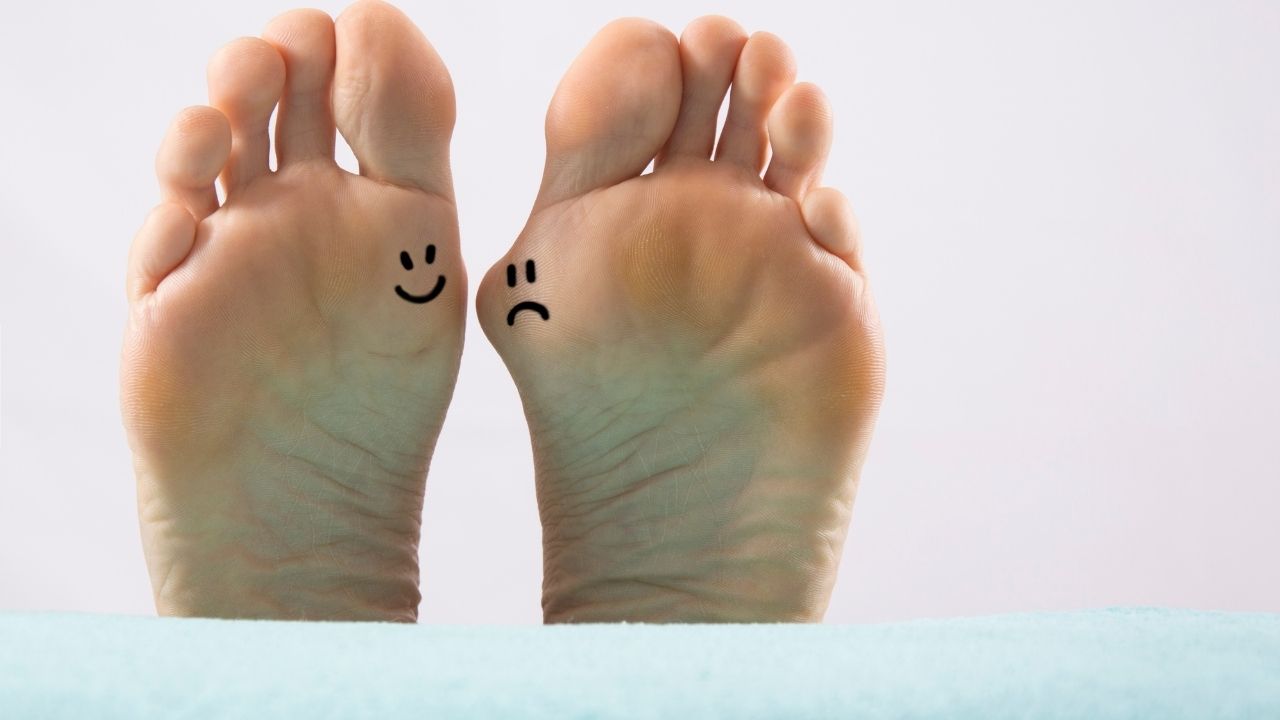
Bunions, those painful, bony bumps that can form on the side base of your big toe, are a common and often frustrating foot problem. Despite being typically linked to ill-fitting shoes, bunions can also develop due to genetic predispositions or foot deformities. With the pain and discomfort that they bring, knowing the best non-surgical treatment options for bunions can be a lifesaver.
Understanding Bunions: The Basics
Bunions occur when the big toe pushes against the next toe, leading to misalignment of the joint. Over time, this pressure forces the big toe joint to enlarge and stick out, causing pain and discomfort. While surgery is often recommended for severe cases, various non-invasive bunion treatment options can efficiently manage and relieve the symptoms without going under the knife.
Shoe Inserts and Padding
One of the easiest ways to relieve bunion pain is by utilizing shoe inserts or padding. Also known as orthotics, these devices can correct the mechanics of your foot, redistribute your weight, and relieve pressure off your bunion. Make sure to consult with a foot specialist to get custom-fitted orthotics for bunions.
Footwear Changes
Wearing the right kind of footwear not only promotes feet comfort but also prevents the progression of bunions. Opt for shoes with a wide and deep toe box to give your toes extra space to wriggle. Shoes with good arch support also help to stabilize the foot and minimize the pressure on your bunion. Heeled shoes shouldn’t be more than 4cm high, as high heels can add extra pressure on the front of your feet.
Physical Therapy
Incorporating some foot exercises into your daily routine can also help strengthen your feet and toes, maintaining joint flexibility. Certain physical therapy exercises for bunions also target the muscles that control toe movement, which can help prevent your bunions from worsening.
Medications and Icing
Over-the-counter pain relievers and anti-inflammatory medications can help address immediate pain and swelling caused by bunions. For a natural approach, applying ice to the bunion area for 10-20 minutes can also help reduce inflammation and discomfort. This can be done multiple times a day, especially after periods of extended walking or standing.
When to Consider Surgery
While the above mentioned non-surgical treatments for bunions can help manage symptoms and slow down their progression, they aren’t capable of reversing bunions altogether. Bunions can vary in size and symptoms and if your bunion pain is excruciating, is leading to other foot problems, or limiting your daily activities, you might want to consider surgery for long-term relief.
Your Foot Health Matters
Bunions can significantly affect your quality of life, but with several non-surgical treatment options available, you don’t need to live in continuous discomfort or limited mobility. Remember, the sooner you treat your bunions, the greater the likelihood of slowing their progression. Always consult with a foot specialist to choose a strategic approach that fits your lifestyle and foot health goals.