
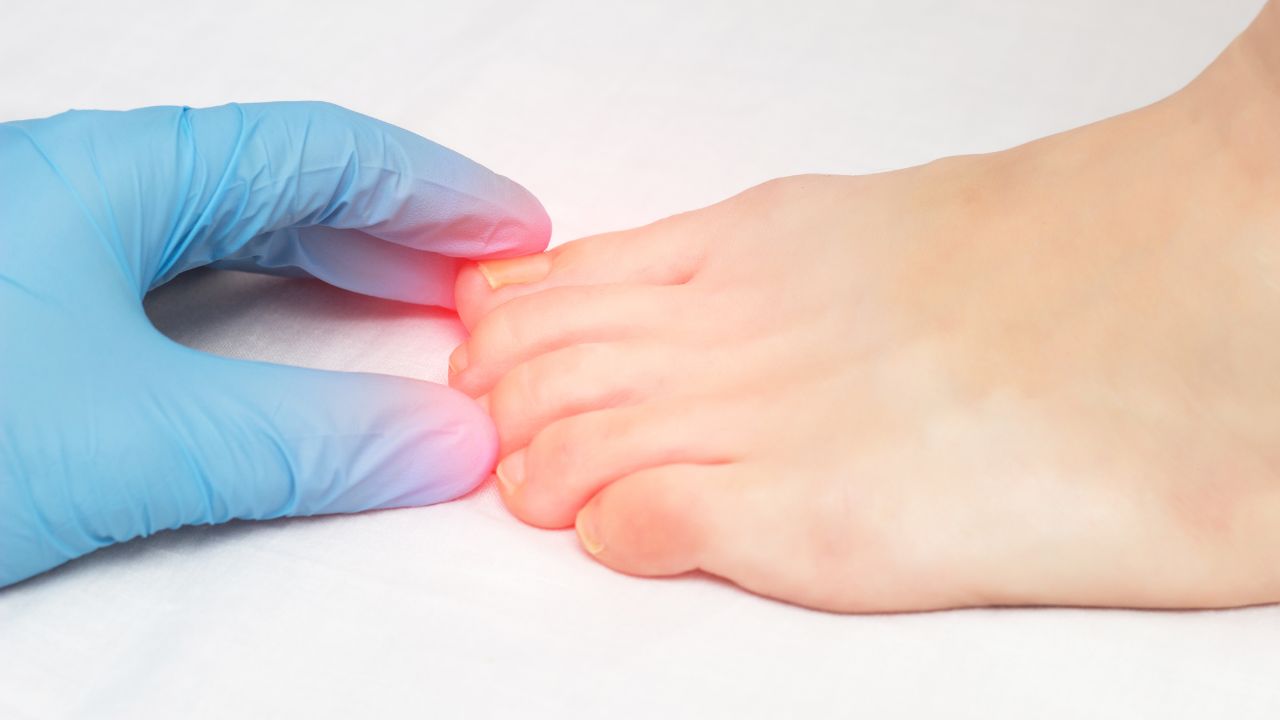
Ingrown nails might seem like a minor issue, but anyone who has experienced this painful condition knows that it can significantly impact daily activities. Treatment at home can sometimes be effective, but when should you actually consider professional help? Throughout this article, we will delve into the topic, offering insights into the ailment, its identification, treatment process and when it’s time to consult an expert.
Understanding Ingrown Nails
Ingrown nails are a common condition where the corner or side of a nail grows into the soft flesh. This tends to happen most often with toenails but can happen with any nail. Symptoms can include pain, redness, swelling, and the area may even become infected. Notoriously uncomfortable, this condition could limit one’s movement, leading to reduced productivity, especially for individuals with occupations requiring constant mobility.
Home-based Treatment Process
If detected early, ingrown nails may be effectively treated at home. Remedial steps include soaking the affected foot in warm water three to four times a day, adopting proper nail-cutting techniques, using a bandage to protect the area and over-the-counter pain relievers. Opting for wide-toed shoes can also help reduce pressure and pain. However, if the condition persists or worsens, it might be time to consider other options.
When to Seek Professional Help?
While home remedies can help in early stages, it’s important to seek professional help if signs of an infection are noticed such as increased redness, swelling, pain, and pus. Moreover, if the ingrown nail issue repeats frequently, it might suggest an underlying condition such as nail problems associated with diseases like diabetes or poor circulation. People with these conditions should definitely consult a healthcare professional, as complications from ingrown nails can be severe in such cases.
Professional Treatment Options
The process of treating ingrown nails professionally includes various options depending on the severity of the case. The doctor may remove the ingrown portion of the nail and if the issue is repetitive, they might suggest removing a portion of the nail along with the underlying tissue (nail bed) to prevent the problematic part of the nail from growing back. In severe cases, surgical procedures may be required. It is worth noting that most treatments provide instant relief from pain and other related symptoms.
Preventive Measures
Ingrown nails are preventable. Some basic measures can help, such as trimming the nails straight across without tapering or rounding the corners and using footwear that provides sufficient toe space. People with certain medical conditions like diabetes might need to take additional preventive steps guided by a healthcare advisor.
In conclusion, ingrown nails might start as a minor discomfort but can potentially escalate to serious issues if not treated timely. Hence, it’s wise to take preventive measures and seek professional help when symptoms persist or worsen.